
In Singapore, many people grow up speaking multiple languages, particularly English and Mandarin.
Learning a language works differently for everyone; some find it easier to pick up the English language, while others may struggle to grasp Chinese.
Regardless of what the case may be, it is critical to start your language learning journey as young as possible.
During the early years, children are naturally curious and eager to imitate sounds, which makes it the perfect time to learn a new language.
Learning a language is not only important to give kids a way to express their thoughts, but it can also contribute to the development of valuable emotional and social skills.
While Mandarin can seem complex to adults, for preschoolers, it can be a joyful adventure filled with colour, rhythm, and imagination.
Let’s get into the 8 ways to make Mandarin fun for your preschooler!
The Importance of Early Exposure
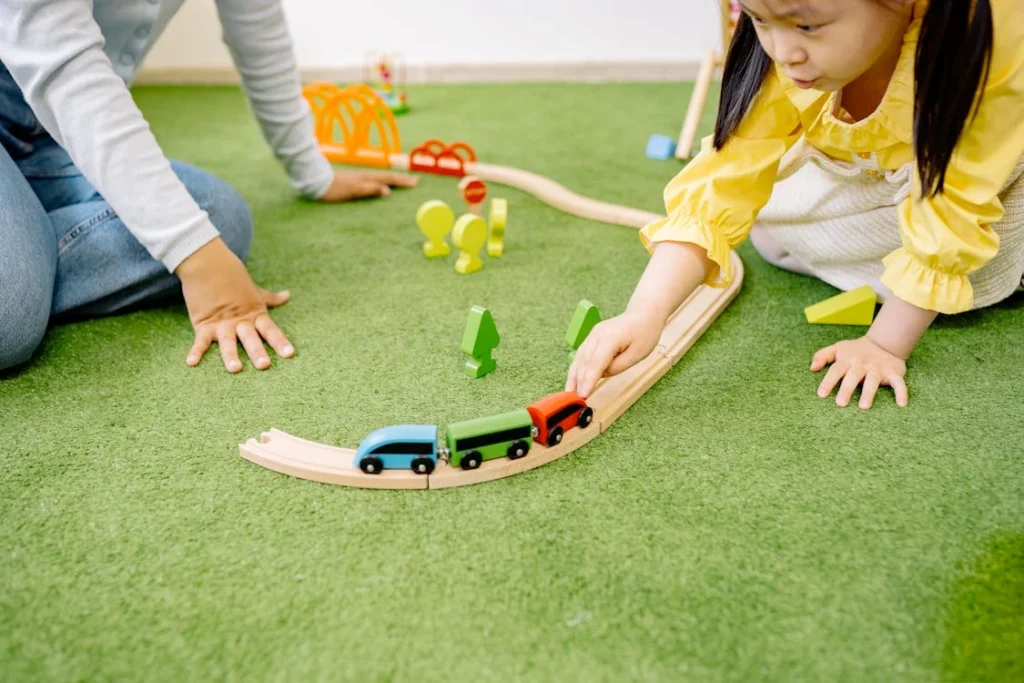
The Critical Period Hypothesis (CPH) is a theory on language learning that posits that native-level fluency can be achieved if the child starts before the age of 9.
During this period, learning a language is easier because they are still developing their linguistic foundation.
This makes preschool the best time to learn Chinese, as children can absorb tones, pronunciation, and Chinese characters through repetition and exposure in daily routines.
Learning Chinese is more than just memorising words and phrases—it’s about understanding meaning and using the language naturally.
By surrounding preschoolers with Mandarin in songs, storytelling, and interactive play, you can nurture an intuitive grasp of the language.
This helps to build a strong base for future fluency, which is harder to achieve when learning starts later in life.
Read more about Why Early Childhood Education Matters and how it contributes to a child’s growth and confidence!
Fun and Practical Ways to Learn Mandarin in Preschool
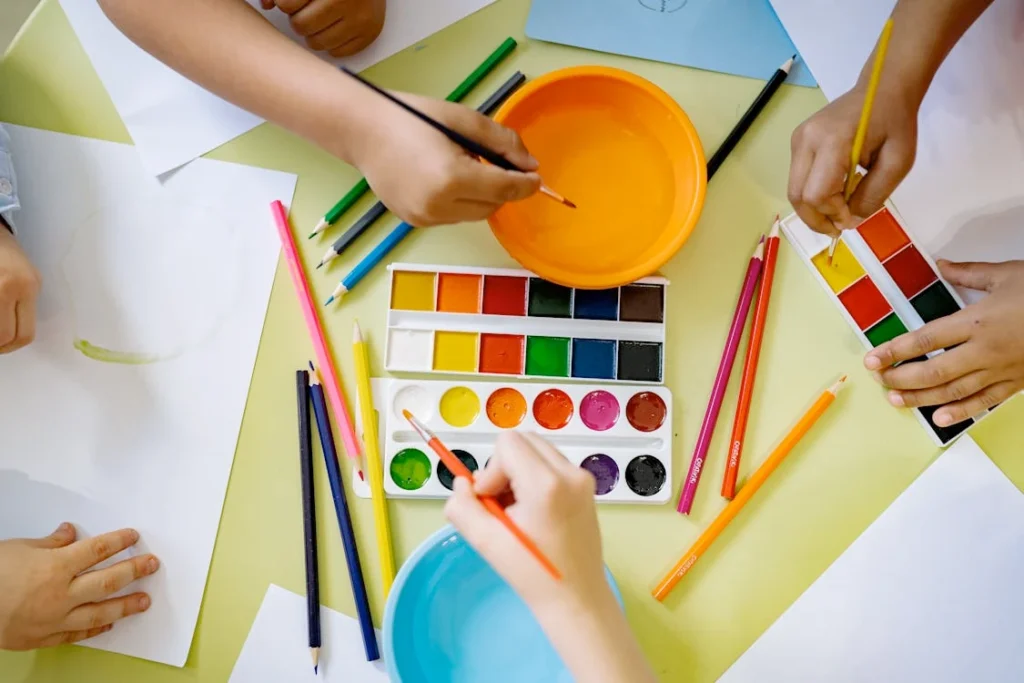
Here are some of the most engaging ways preschoolers can learn Mandarin in a fun, natural, and lasting way.
1. Storytelling
One of the most enjoyable ways to learn Chinese is through stories.
Preschoolers love listening to tales that come alive through voice, gestures, and visuals.
In classrooms, teachers can introduce Chinese words and phrases through familiar story themes such as friendship, adventure, or animals.
This is so that language becomes part of the narrative rather than a list for kids to memorise.
Acting out scenes and using puppets makes the story more interactive, allowing children to speak, listen, and respond naturally.
2. Music, songs, and rhymes
Mandarin songs are an excellent way for children to absorb tones, rhythm, and pronunciation without even realising they’re practising.
Simple tunes like “两只老虎” (Liǎng Zhī Lǎo Hǔ – Two Tigers) or “小星星” (Xiǎo Xīng Xīng – Twinkle, Twinkle, Little Star) are perfect for reinforcing new sounds.
By clapping, dancing, or miming actions while singing, preschoolers can simultaneously engage multiple senses. They associate movement with meaning, which strengthens memory and boosts confidence.
Mandarin tones can be tricky, but music helps children internalise them with less effort.
3. Hands-on art and Chinese characters
Mandarin’s written form is visually stunning; every Chinese character tells a story, and each stroke has meaning.
Instead of focusing on memorisation, preschoolers can learn to recognise and appreciate characters through art and play.
Here are some examples of engaging activities that help with learning characters:
- Using a paintbrush to “write” on water boards
- Trace characters in sand
- Mould strokes with clay
Since Mandarin has a visual writing system, other practical activities like drawing “山” (shān – mountain) while looking at real mountain pictures can help children connect symbols to meaning.
4. Real-world role play
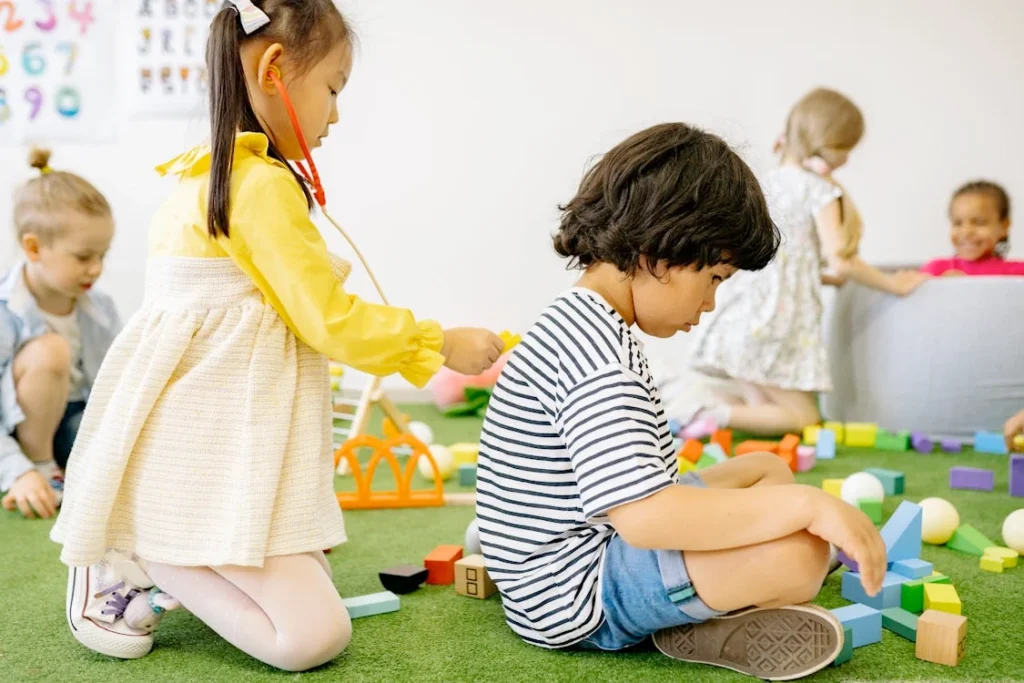
With role play, Chinese lessons can transform into real-life adventures.
A pretend supermarket, restaurant, or post office lets children practise vocabulary and expressions in real-world context.
During a “market day”, children can learn words like “水果” (shuǐ guǒ – fruits) and “多少钱” (duō shǎo qián – how much?) while engaging in friendly exchanges.
They learn not only words and phrases but also how to communicate naturally.
5. Learning through everyday routines
Learning Chinese can be more effective when incorporated naturally during the day.
For example:
- Naming colours during art sessions
- Discussing food words during lunchtime
- Naming the tools used while cleaning
This natural repetition helps preschoolers learn the language on a subconscious level.
By weaving Mandarin into daily interactions, it provides an authentic, immersive experience that far exceeds basic curriculum requirements.
6. Exploring culture through festivals and crafts
Culture gives language meaning, and festivals offer the perfect opportunity for children to experience Mandarin in action!
Celebrating Chinese traditions provides the chance for preschoolers to understand the joy, artistry, and values behind the language.
During Chinese New Year, children can make lanterns, learn greetings like “新年快乐” (xīn nián kuài lè – Happy New Year), and listen to stories about the zodiac animals.
For the Mid-Autumn Festival, they might craft paper moons and recite short poems.
These cultural experiences go far beyond vocabulary; they teach empathy, tradition, and creativity.
In this way, children will come to see Mandarin not as a subject to study, but as a window into a fascinating world of art, food, music, and family values.
7. Sensory play and themed learning
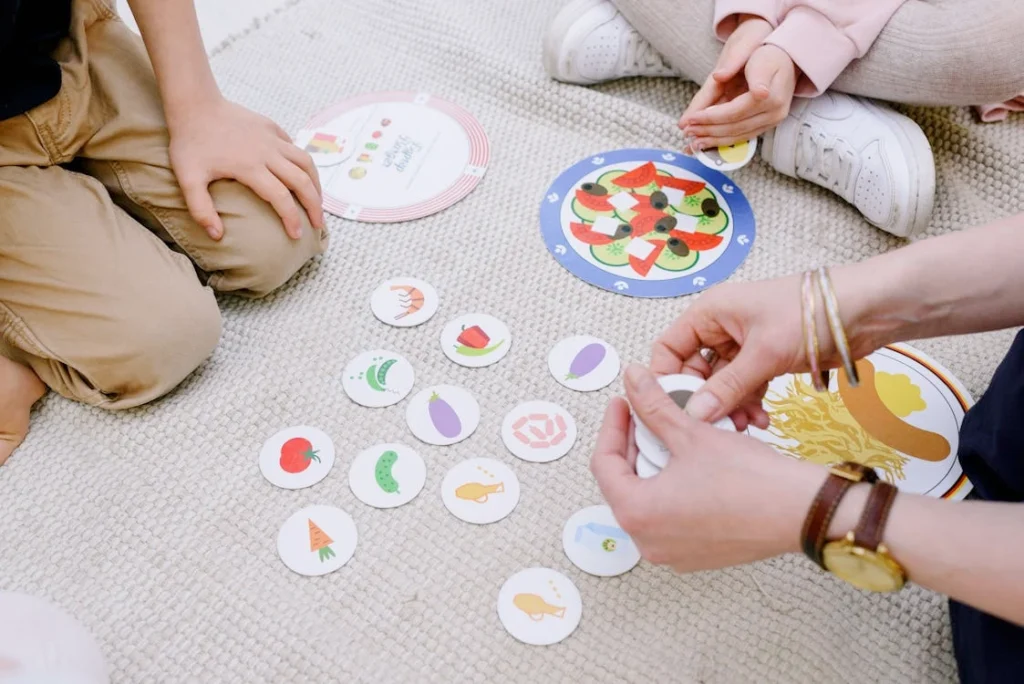
Preschoolers love to use their senses to explore, and this curiosity can make learning Mandarin incredibly effective.
Sensory play, such as using textures, sounds, and colours, helps children connect words to experiences.
For instance, a “nature day” might involve collecting leaves and naming them in Mandarin, while a “cooking session” lets children learn food-related vocabulary as they mix, pour, and taste.
These activities help children retain vocabulary far better than rote memorisation; they don’t just learn Mandarin, they will feel it in every activity they do!
Incorporating Montessori techniques, Wharton can deliver an engaging, sensory experience, making language learning even more personable and memorable.
8. Encouraging expression through performance
Whether it’s a short skit, a song recital, or a puppet show, performing in front of others helps build confidence and fluency.
The focus is not on perfection, but on participation and expression.
This approach helps children see Mandarin as a language they can use to communicate ideas, not just recite from memory.
Additionally, it also nurtures confidence, imagination, and joy, which are key to lifelong learning!
Going Beyond MOE Standards
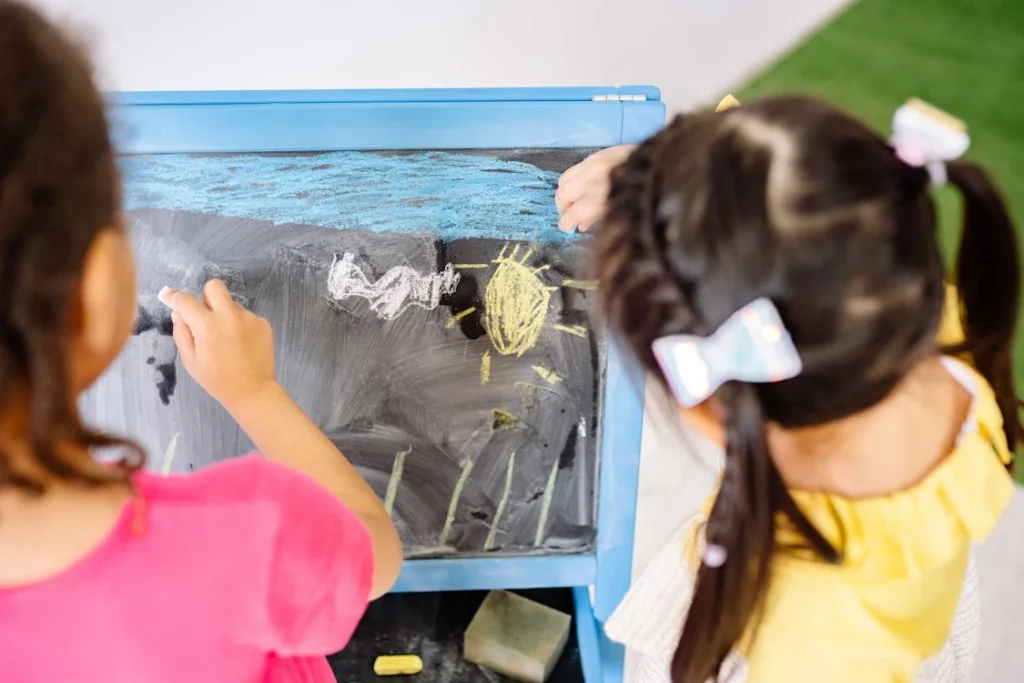
While many preschools follow the MOE’s basic framework for language education, learning beyond the national standards will help enrich your child’s learning experience even further.
The curriculum at Wharton Preschool, for example, is designed not just to meet standards but to exceed them through creativity, culture, and critical thinking.
Each lesson can be an opportunity for children to explore, imagine, and express themselves in Mandarin.
By integrating storytelling, art, role play, sensory play and cultural immersion, it builds a solid foundation for language mastery and a deeper appreciation for the culture it represents.
Having a holistic approach helps children develop fluency, curiosity, and a lifelong appreciation for Chinese language and culture—far beyond what a standard classroom experience can offer.
Experience a Fun Classroom While Learning Chinese at Wharton Preschool!
Helping your young one learn the ropes of a language can be complicated, but it doesn’t have to be!
At Wharton Preschool, learning Chinese has never been made easier.
Whether your child is just learning to speak or is preparing to enter primary school in a few years, we are equipped to help him through all preschool stages!
Here are the programmes that we offer:
- Infant Care (2 – 17 months)
- Playgroup and Nursery (18 months – 4 years)
- Kindergarten (5 – 6 years)
- Enrichment Classes
What makes Wharton a great place to learn is our exclusive tri-curricular programme that features Montessori-guided individualised learning plan, thematic learning, and bilingual immersion.
Not only that, but we go beyond the national bilingual policy by providing opportunities for your child to learn Higher Chinese should he need something more challenging!
By gently guiding him to take ownership of his education, he can gain a deeper love for learning and therefore, a limitless potential for success.
You can find us here:
- 📍 Wharton Preschool at Sengkang (Serangoon North)
- 📍 Wharton Preschool at Upper East Coast
- 📍 Wharton Preschool at Sembawang
Want your child to have a head start in learning Mandarin? Book a school tour with us now and learn about how we can help him flourish!