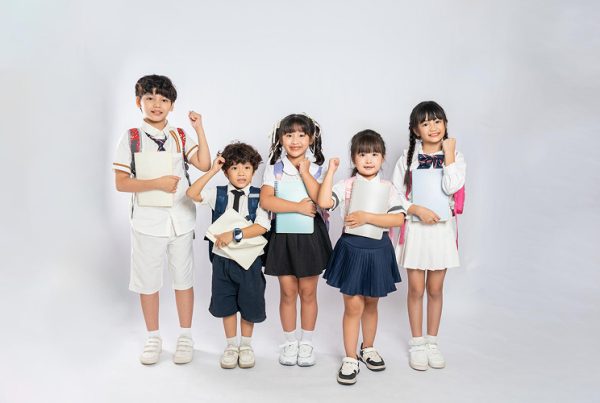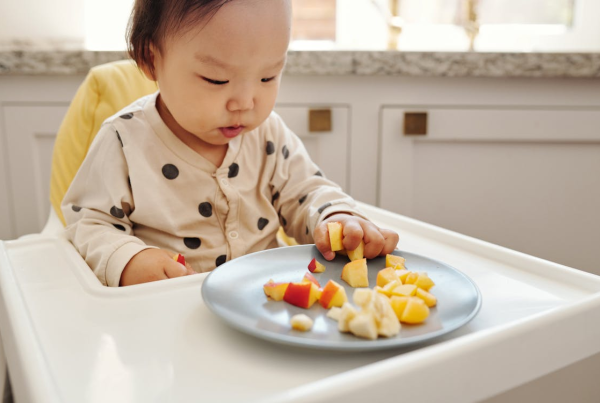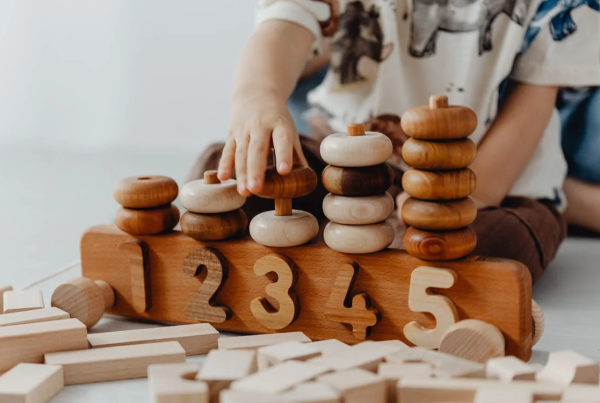

The early years of a child’s life are filled with curiosity, imagination, and boundless potential.
These formative years lay the foundation for everything that follows, shaping how he learns, interacts, and grows.
As parents, it’s only natural that you would want to give your child the best education as early as possible.
Early childhood education plays a vital role in this journey, as it helps children develop key skills and confidence long before they enter formal schooling.
If you are on the fence about enrolling your child in a preschool, keep reading to uncover the importance of early childhood education and why it should be taken seriously.
1. Building the foundation for lifelong learning
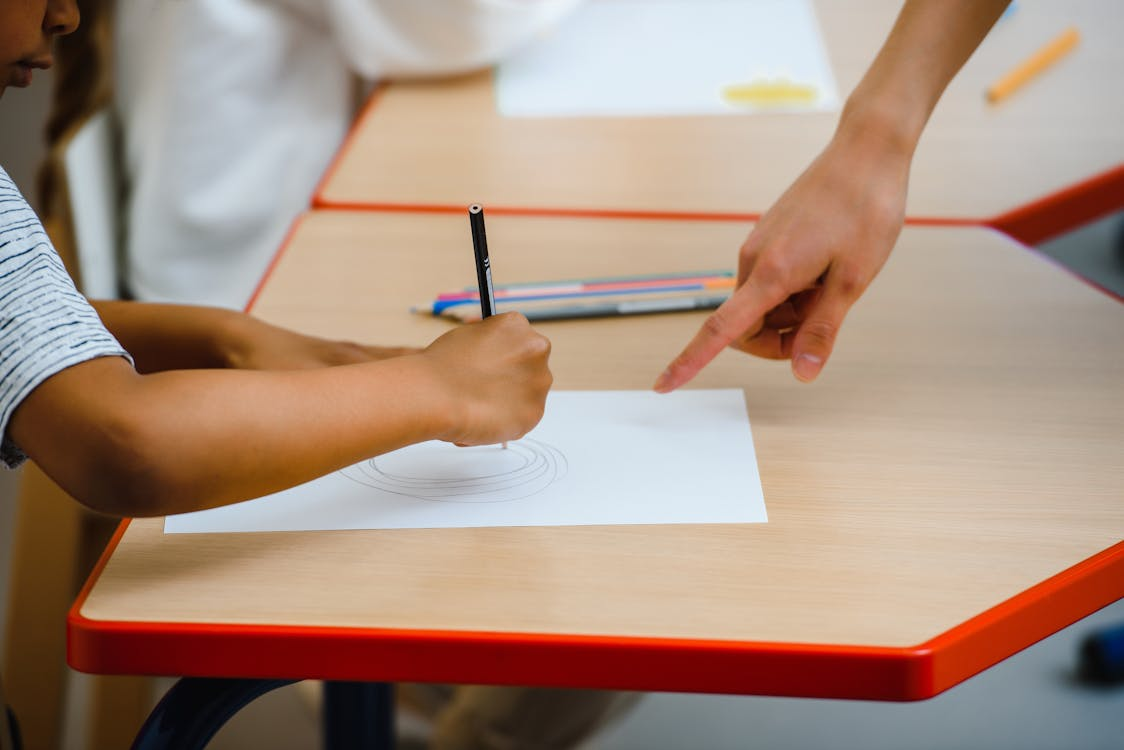
The early years of development are when children’s minds are most open to new ideas and experiences.
Early childhood education offers structured learning environments that stimulate both curiosity and understanding.
Through activities such as hands-on play or storytelling, children can begin to learn new skills such as:
- Recognising patterns
- Making observations
- Connecting new information to what they already know
As such, early childhood educators play a pivotal role here.
They are responsible for coming up with activities that not only teach facts but also foster critical thinking and problem-solving.
For example, a simple activity like sorting coloured blocks can introduce concepts of classification, counting, and pattern recognition, all while encouraging teamwork and communication.
With the right help, these foundational experiences encourage children to become curious, confident learners who are ready for the next stages of their education.
2. Encouraging healthy social and emotional growth
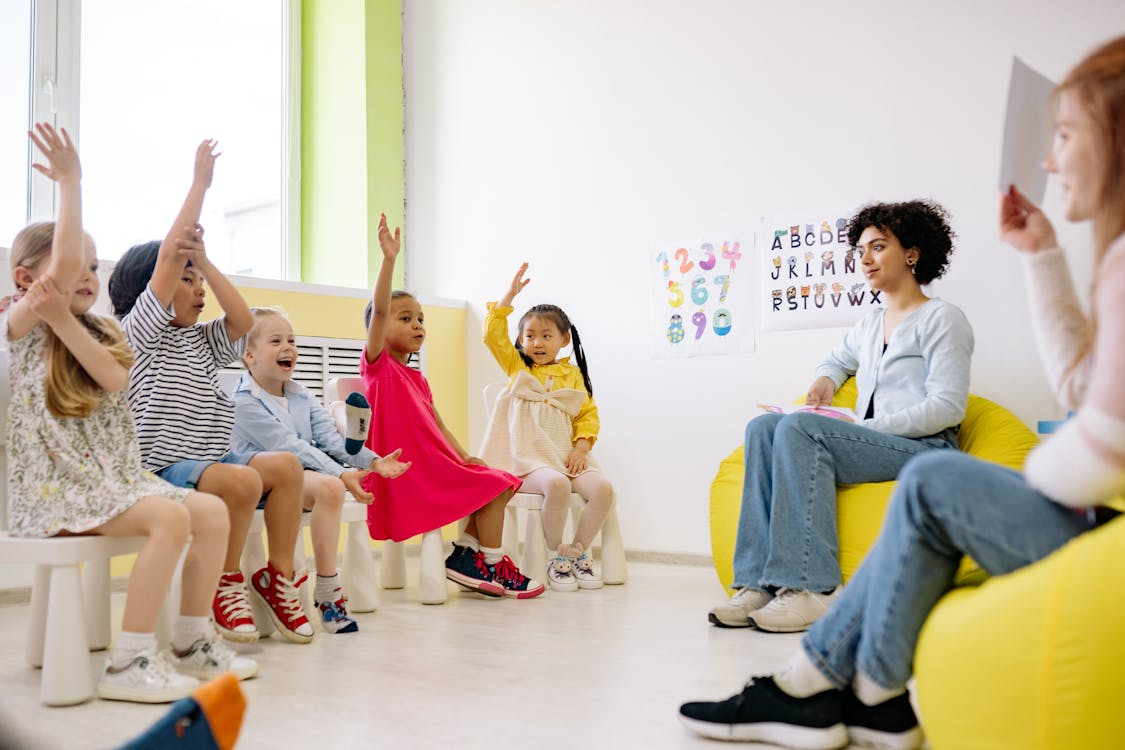
Social and emotional learning is at the heart of early childhood education.
At this stage, children are just beginning to understand how to manage emotions, form relationships, and navigate the world around them.
With the help of a high-quality early education programme, children can develop core values such as:
- Care
- Accountability
- Respect
- Teamwork
With thoughtful guidance by educators, interactions with peers in group settings will teach them the importance of communication and understanding each other’s feelings.
Additionally, educators can also help children identify their emotions and express their feelings healthily.
Instead of reacting with frustration or fear, they learn coping strategies and self-regulation that are necessary to help them thrive within a community.
This emotional foundation builds confidence and resilience, preparing children to handle new environments and challenges later in life.
3. Strengthening brain development through play
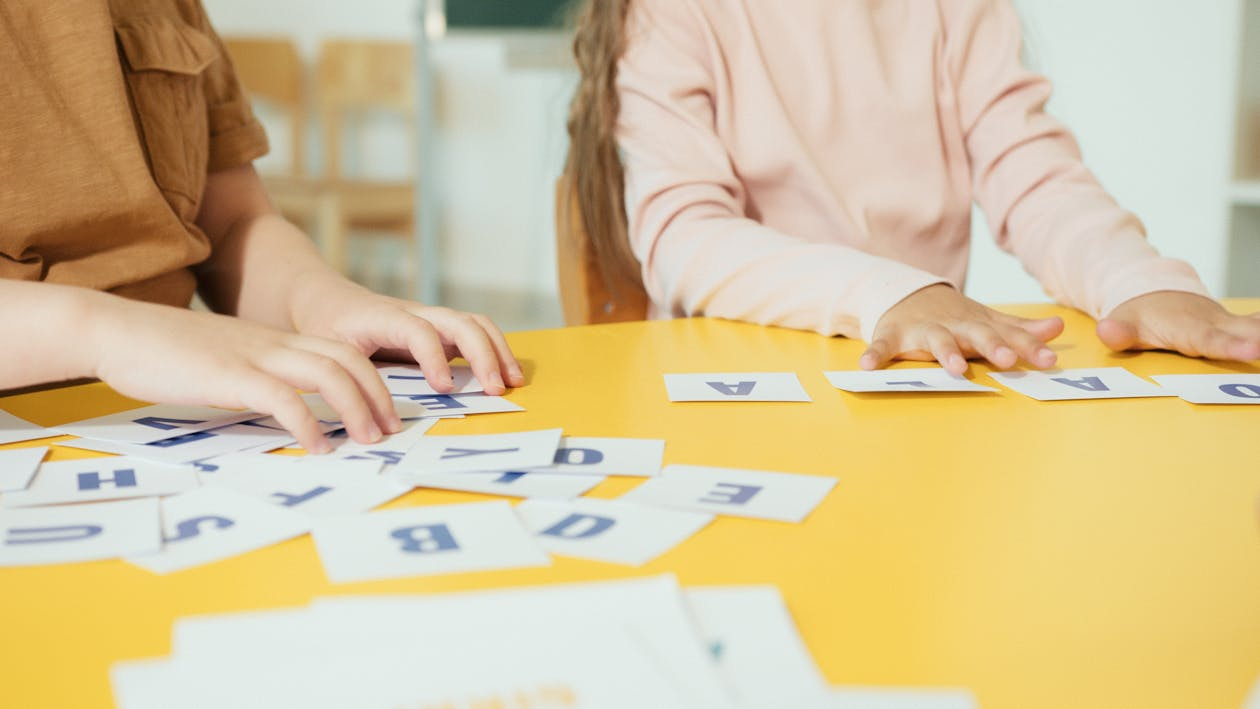
Play is far more than just about having fun; it can be a child’s most powerful tool for learning!
In Wharton Preschool classrooms, play cis the work of the child:
- Working with bead frames to understand mathematical processes and logical thinking
- Storytelling in both English and Mandarin to experiment with language and imagination
- Nature walks to increase awareness of the world
It’s important for childhood educators to use play strategically in order to guide children’s experiences so that learning happens naturally and meaningfully.
These playful experiences not only promote brain development but also instil a lifelong sense of curiosity and discovery.
Did you know that motor skills can help support brain development? Read our article on Motor Skills Development to learn more!
4. Cultivating communication and language skills
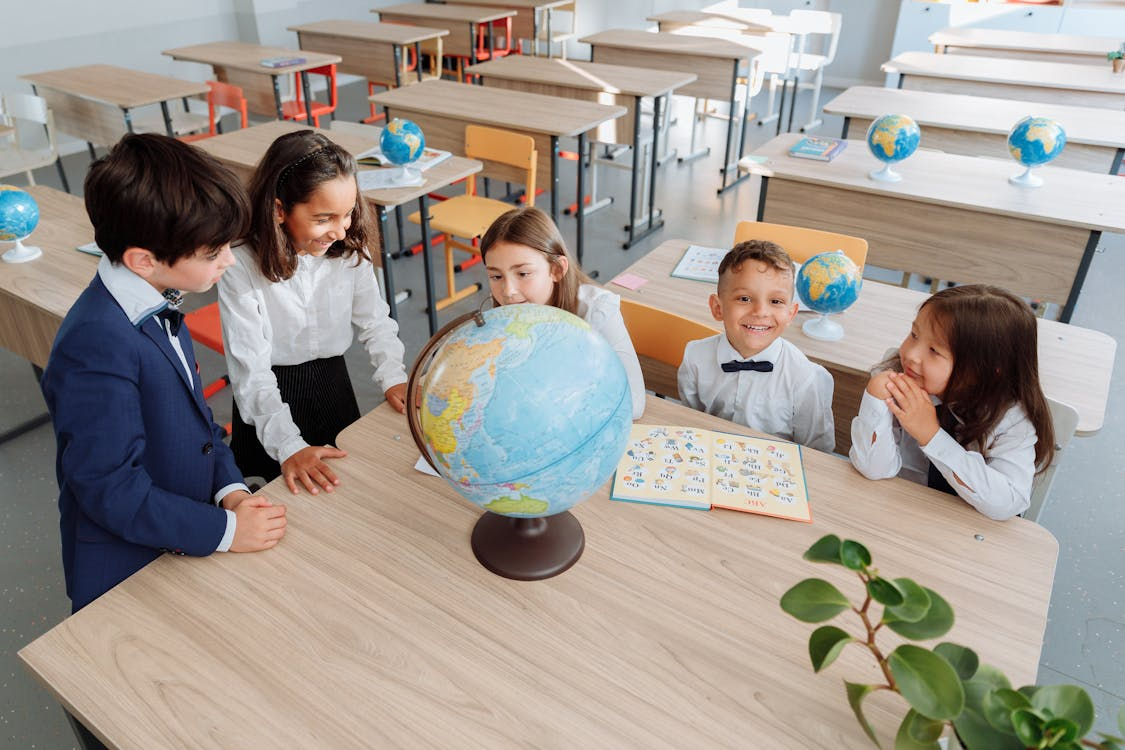
Language is considered to be the cornerstone of all learning.
That’s why childhood education often provides an environment rich in words and sounds that expand children’s communication abilities!
From singing songs to sharing stories, every interaction is intended to help your child strengthen his vocabulary and express himself clearly.
Educators may use storytelling and question-based discussions to encourage children to think critically and articulate their ideas.
With consistent exposure, your child will build literacy, fluency, and comprehension.
This is all the more relevant in Singapore, where many children speak multiple languages from a young age.
For multilingual children, early education can help bridge languages, improve pronunciation and confidence in their native and additional tongues.
By creating a supportive environment, educators can help your child to develop the communication skills needed for future learning, friendships, and emotional growth.
5. Fostering independence and confidence
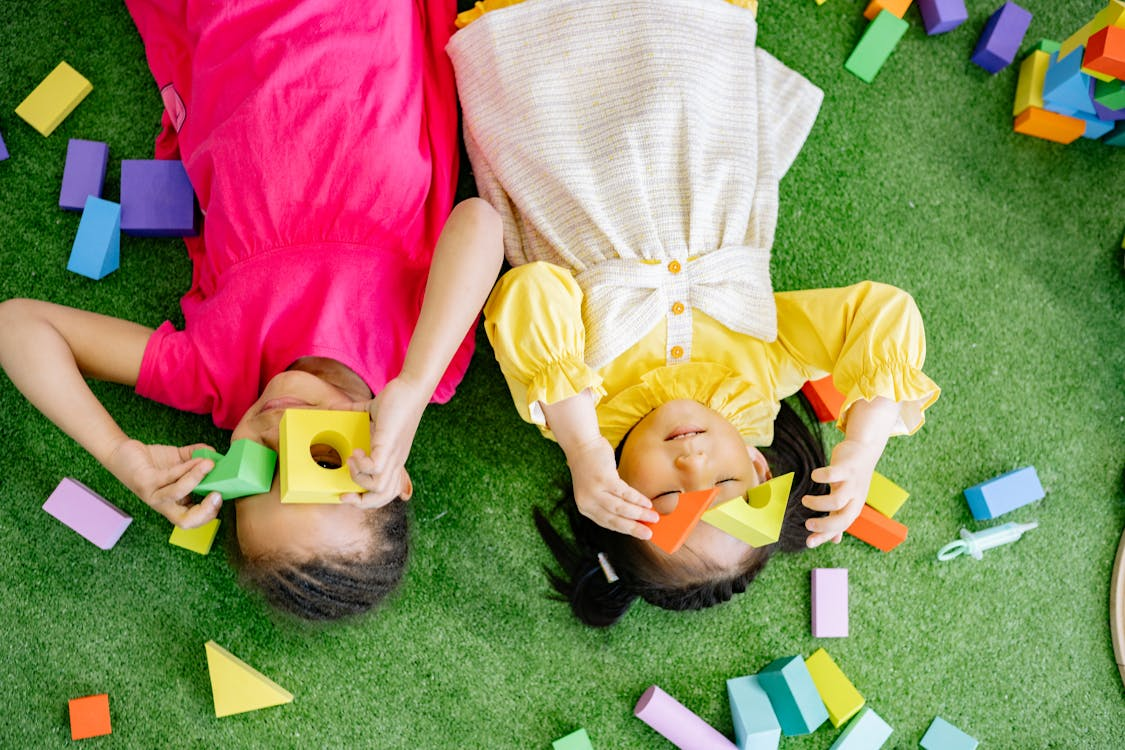
An important part of early education is that it provides the opportunity for your child to foster independence.
In a structured learning environment, children are encouraged to make choices, solve problems on their own, and take pride in their achievements.
These early instances of independence play are vital in building confidence and self-esteem.
Simple classroom routines that can help children learn responsibility and self-discipline include:
- Putting away toys
- Serving snacks
- Leading a short group activity
With activities like these, they begin to develop a sense of accountability that can encourage initiative and self-motivation.
Furthermore, when children are guided to explore challenges rather than being shielded from them, they learn perseverance.
For instance, when a puzzle seems too hard, an educator might gently encourage the child to try a different piece or think of a new strategy.
Enrolling in early education will cultivate determination and confidence, which prepares children to handle challenges with resilience later in life!
6. Creating a safe and supportive learning environment
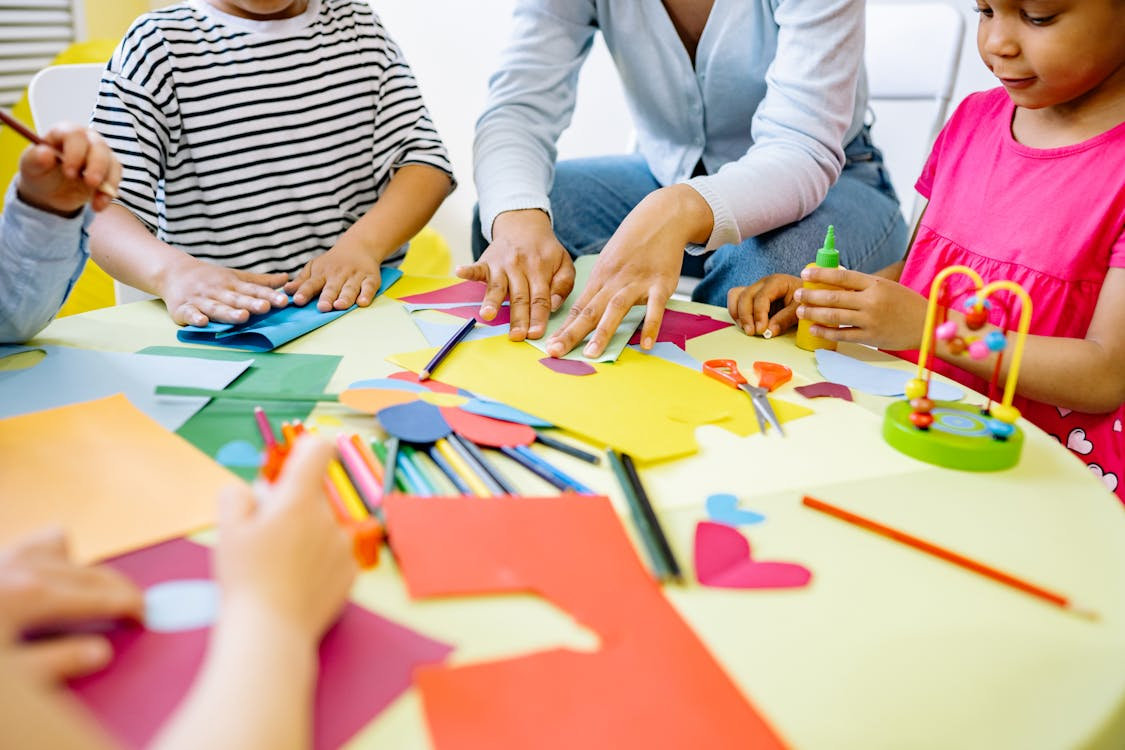
A nurturing learning environment is crucial for an effective early childhood education.
Teachers work carefully to create classrooms where young learners feel safe, loved, and valued to explore their world with confidence.
In turn, this provides children with a space to express themselves freely and take risks in learning.
To ensure that each child feels seen and supported, educators will:
- Use positive reinforcement
- Gentle guidance
- Establish trust
In such an environment, mistakes are never seen as failures but as opportunities to grow and learn, empowering children to ask questions, share ideas, and collaborate with their peers.
When children feel secure in their surroundings, their learning capacity grows significantly, setting the stage for future success.
Wharton classrooms are designed to feel safe and inviting, allowing your child to learn without fear or worries.
7. Supporting families and communities
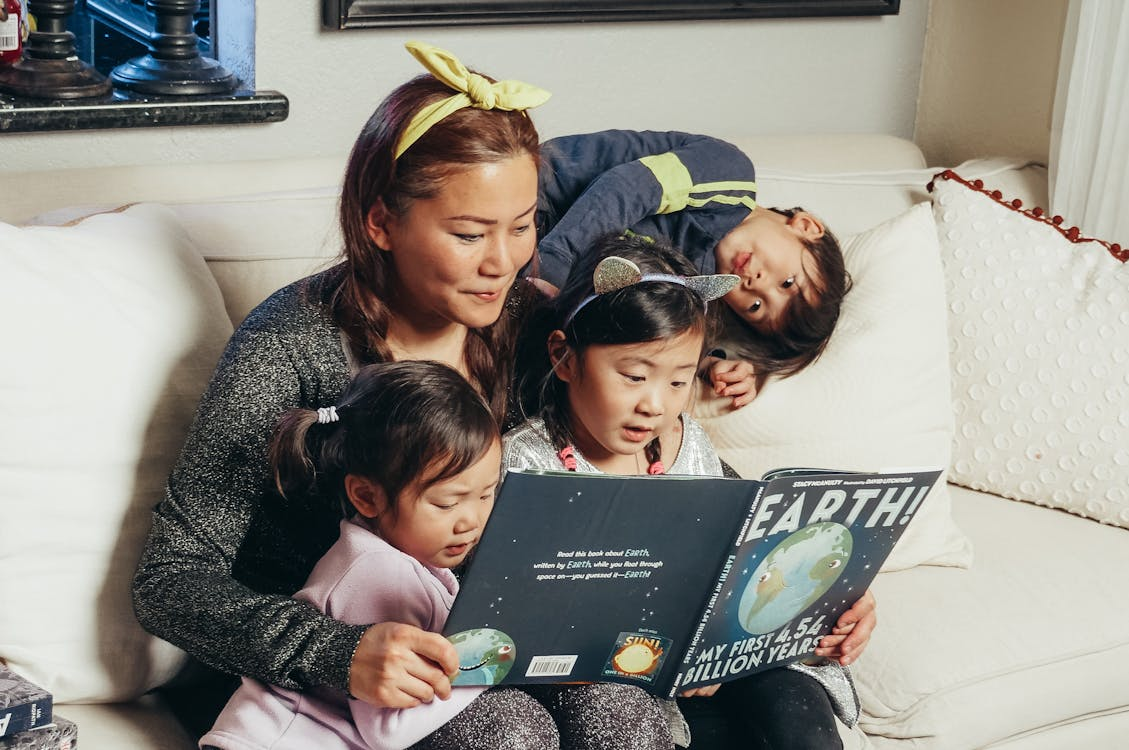
Early childhood education does not exist in isolation; it thrives when families and communities are involved!
Educators can be thought of as the bridge between the classroom and home, communicating regularly with parents about a child’s progress, strengths, and areas for growth.
This collaborative partnership helps ensure that the learning process continues beyond classroom walls.
As parents, you can implement these simple activities to help reinforce the lessons taught at the centre:
- Reading together at home
- Discussing what your child learned
- Participating in school events
When families are engaged in their child’s education, children will feel all the more supported and motivated to learn.
With reliable early education centres, you won’t need to worry about being left in the dark in regard to your child’s academic progress.
Give Your Child a Head Start with Quality Early Childhood Education at Wharton Preschool!
At Wharton Preschool, we believe that every child deserves the best possible start in life.
Trusted by parents all over Singapore, we provide a wide variety of services such as:
- Preschool enrichment classes
- Kindergarten
- Playgroups
- Infant care
Whether your child is just starting to walk or preparing to enter formal schooling in a few years, we aim to provide the solution to his early education needs.
Our early learning programmes are personalised to each child, with an aim to encourage curiosity, creativity, and confidence.
Guided by Montessori principles, our nurturing educators provide a hands-on learning environment that supports every aspect of child development while reinforcing real-world skills.
Furthermore, we are stationed at several convenient locations:
- 📍 Wharton Preschool at Sengkang (Serangoon North)
- 📍 Wharton Preschool at Upper East Coast
- 📍 Wharton Preschool at Sembawang
At Wharton, we are more than just a place that provides education. We want to be the soil that makes it possible for your child to prosper into a successful, well-rounded learner.