
For many parents, watching a child grow and hit their milestones is one of the most rewarding moments!
From their first steps to their first attempt at holding a crayon, every movement plays a crucial role in shaping how they explore, interact, and express themselves.
Motor skills development forms the foundation of this growth.
While motor abilities can be acquired passively, it is important to be purposeful when it comes to developing this skill.
Gross motor skills are paramount to ensure your child leads a healthy and successful life.
They help children strengthen their bodies, refine coordination skills, and gain confidence through independent movement, which then results in improved cognitive states.
Whether through structured play or spontaneous activity, developing both fine and gross motor skills allows children to gain the skills they need to take ownership of their future.
Whether you are an expecting parent or already have your own bundle of joy, keep reading to discover the importance of motor skills and learn about the activities that can build them!
Understanding Motor Skills Development
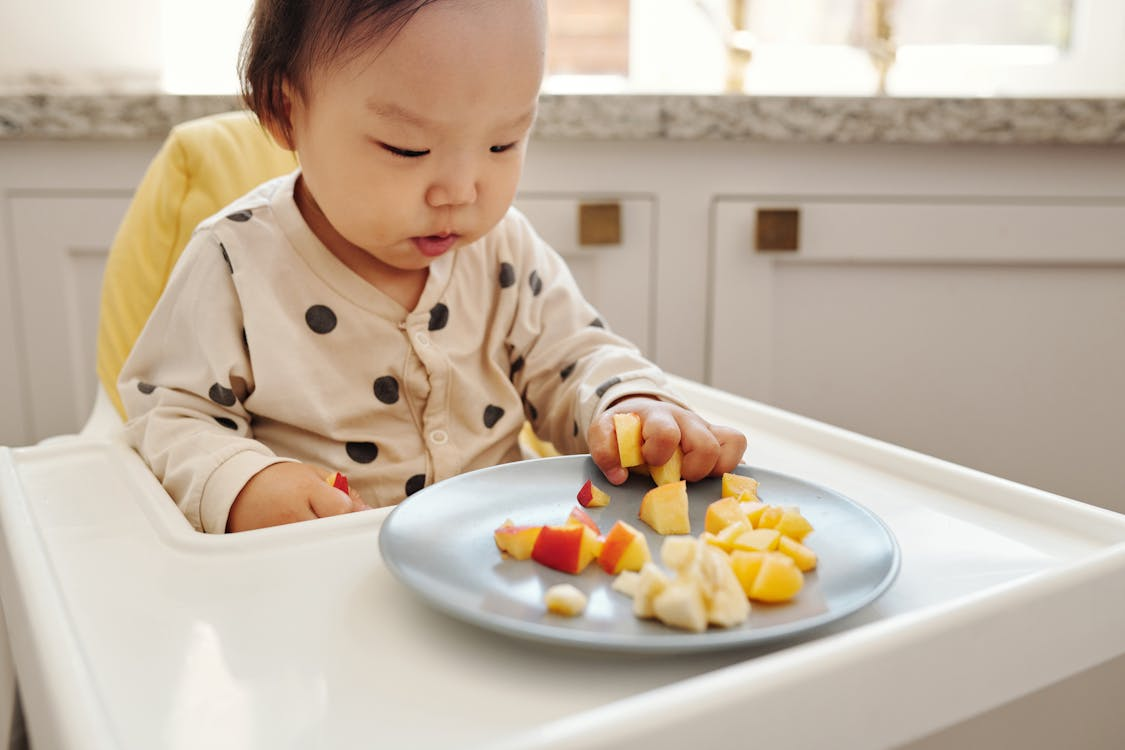
Motor development refers to how your child learns to move and control different parts of his body. This development begins as early as birth.
Overall, it involves two main categories: gross motor skills and fine motor skills.
Gross motor skills involve larger muscle groups and movements, such as running, jumping, and balancing. These are essential for:
- Mobility
- Stability
- Body coordination
Fine motor skills, on the other hand, focus on smaller, more precise movements that involve the hands and fingers, like writing, buttoning clothes, or using utensils.
Both types of skills work together as your child matures.
For instance, learning to hold a spoon (a fine motor task) often depends on the stability developed through gross motor control of the arms and shoulders.
When these abilities are developed, children not only strengthen their muscles but also build the confidence to explore new challenges and become more independent!
The Role of Motor Skills in Child Development
Every stage of a child’s development introduces new opportunities to strengthen movement and coordination.
Infants begin by grasping, reaching, and rolling.
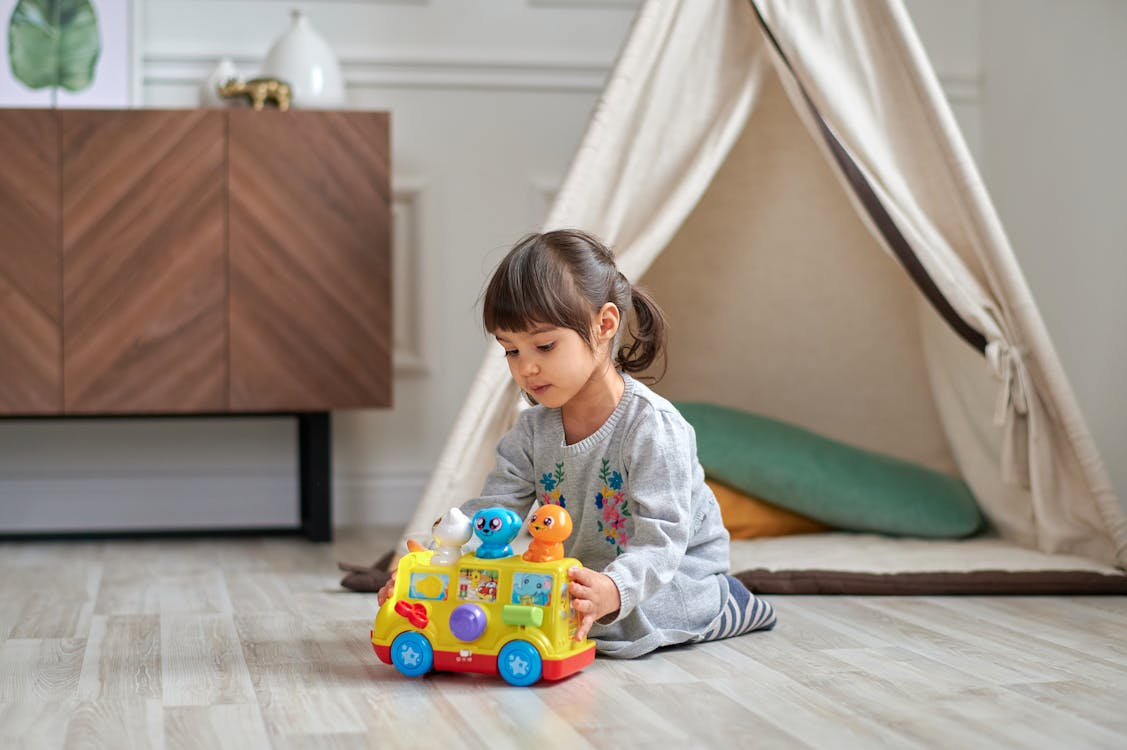
As they grow into toddlers, they start crawling, walking, and climbing, activating larger muscle groups that form the basis for balance and control.
Preschoolers then refine these movements through play, sports, and creative tasks like drawing or building with blocks.
These skills are not merely physical milestones; they also influence emotional, cognitive, and social development!
When a child learns to control their movements, they gain a sense of accomplishment and independence.
Being able to climb a playground ladder or dress themselves without help will build self-reliance and resilience.
On top of that, motor skill development strengthens brain connections, improving concentration, spatial awareness, as well as problem-solving abilities.
For example, activities that combine physical action with thinking, like double doodles, help children develop both body and mind coordination.
In short, the growth of these skills supports the child as a whole: physically, mentally, and emotionally.
Read our article on Why Early Childhood Education Matters to learn more about why it is important to enrol your child in a preschool programme!
Gross Motor Skills Activities

Gross motor activities are vital for strengthening the larger muscle groups in the legs, arms, and torso.
These actions help children improve posture, stability, and overall movement control.
Here are a few engaging examples that nurture these skills while building confidence!
1. Obstacle courses
Creating a simple obstacle course at home or in a playground can help your child practise movements such as:
- Crawling
- Jumping
- Balancing
- Climbing
This encourages problem-solving, body awareness, and the ability to navigate physical challenges—all while making movement fun!
Completing an obstacle course gives a child a tangible sense of achievement, overall boosting his confidence and determination.
2. Dancing and movement games
Music-based activities can help children develop rhythm and coordination skills.
Some engaging games include:
- Freeze dance
- Musical statues
- Hopscotch
- Musical chairs
- Simon says
They learn to control their body movements, stop and start with precision, and express themselves through physical gestures.
This combination of physical activity and creativity will ultimately build both motor control and emotional expression.
3. Ball games
Catching, kicking, or throwing balls is an excellent way to enhance gross motor coordination.
These games require children to judge distance, time their movements, and adjust their body position, which are crucial for developing coordination and balance.
The ability to successfully catch or kick a ball also gives a boost of self-confidence, especially when the experience is shared with peers in a group setting.
4. Outdoor exploration
Simple outdoor play, like running, climbing trees, or skipping, is excellent for developing endurance and muscle strength.
If you want to improve balance and agility, then hopping on one foot or walking along a narrow beam can strengthen your child’s core stability and self-control.
Over time, this not only improves physical fitness but also encourages a sense of independence and the courage to try new experiences.
5. Riding a tricycle or bicycle
Learning to pedal, steer, and balance is a classic gross motor milestone for every child.
Riding a tricycle or bicycle can be boiled down to coordination of the arms and legs, balance through the core, and concentration on movement.
Once a child masters this skill, the pride he feels can significantly enhance his confidence and motivation to keep learning!
Fine Motor Skills Activities
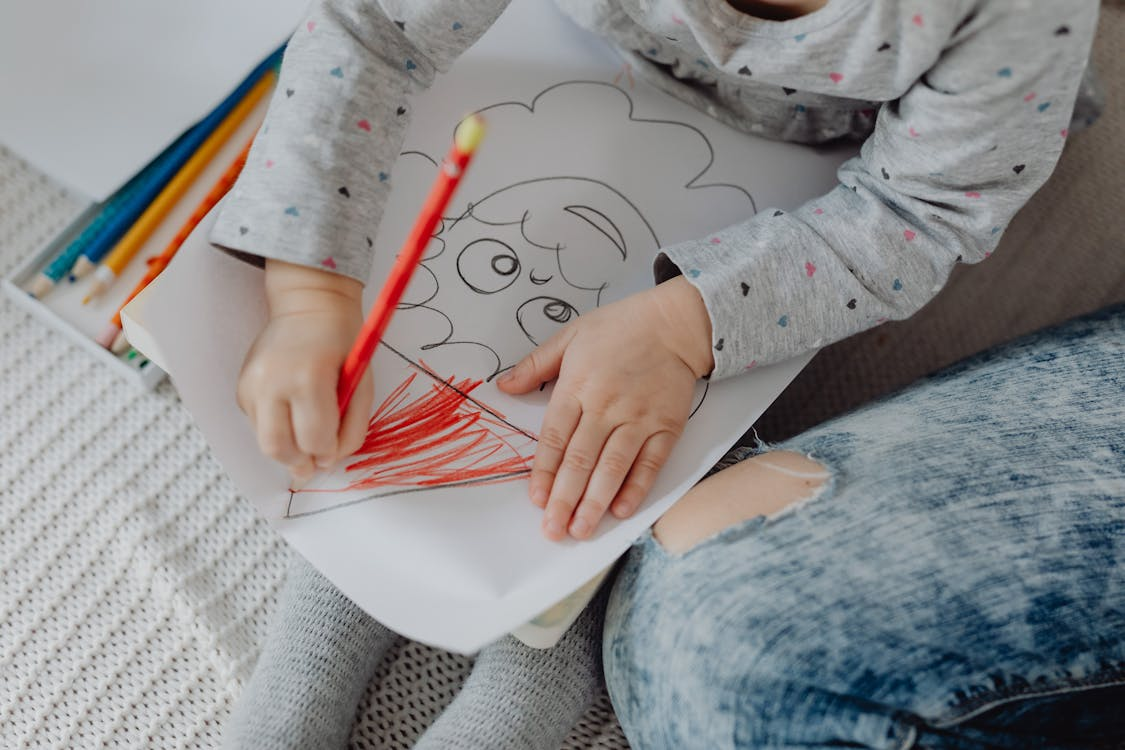
While gross motor activities focus on large movements, fine motor skills involve precision and control of smaller muscle groups, particularly those in the hands, fingers, and wrists.
These are crucial for daily activities such as:
- Eating with a fork and spoon
- Tying shoelaces
- Writing with a pencil
- Drawing
Encouraging fine motor development through play can make learning these essential tasks more enjoyable.
Here are some fun activities you can do with your child!
1. Drawing and colouring
Using crayons, pencils, or paintbrushes strengthens the small muscles in a child’s hands and improves hand-eye coordination.
Other than promoting creativity and focus, these activities are an essential outlet for children to express their thoughts through art while refining their fine motor control.
2. Building blocks and construction play
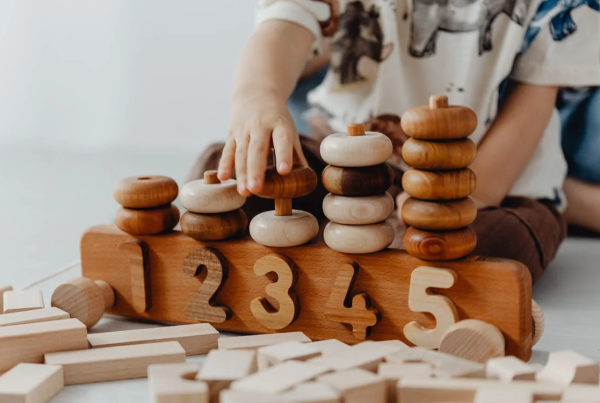
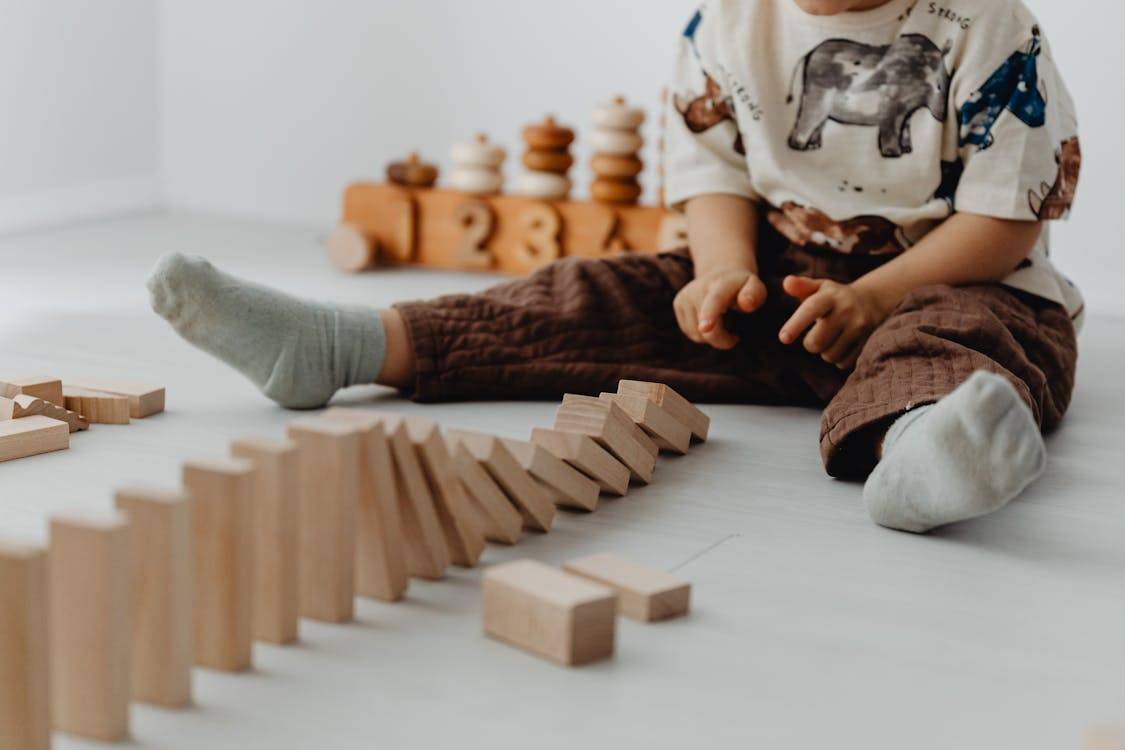
Stacking blocks, fitting puzzle pieces, or connecting interlocking toys teaches children about balance, shape, and precision.
Each action requires the use of skills such as careful hand movement, concentration, and problem-solving.
Completing a structure, whether it is a simple tower or a detailed creation, gives a child a sense of accomplishment and builds patience.
3. Threading and beading
One particularly effective way to enhance finger dexterity and bilateral coordination (using both hands together) is through threading beads onto a string or lace!
The repetitive action of threading also helps with focus and rhythm, laying a foundation for future skills such as writing or drawing.
4. Cutting and pasting crafts
Arts and crafts are another crucial activity in any childhood, as they introduce children to controlled movements involving grip and direction.
Using safety scissors or working with glue develops
hand strength and precision, both of which are essential for classroom readiness.
Not only that, but completing a craft independently reinforces self-assurance and pride in one’s creative efforts.
It also gives you something to decorate your home with. A win-win for everyone, indeed!
5. Everyday tasks
Developing fine motor skills doesn’t always require you to set up elaborate activities.
For instance, encouraging children to help with small household chores like buttoning clothes or using utensils is an effective way to strengthen their fine motor control and hand strength!
These real-life activities also give them a sense of contribution and independence, which are key to confidence-building.
The Importance of Building Confidence
As children master more complex movements, they begin to see themselves as capable individuals. This sense of capability nurtures confidence.
When a child realises he can control his body and perform actions independently, he will then gain trust in his own abilities.
That self-assurance is vital in a child’s growth, as it often extends to other areas such as making friends to tackling new learning challenges.
Let’s dig deeper into the factors that contribute to nurturing confidence!
Building Confidence Through Movement
When children master new physical skills, they learn that effort and practice lead to success.
Each small achievement, whether balancing on one foot or tying shoelaces, reinforces the belief that they are capable.
Activities that promote motor development also teach resilience. For example, a toddler may stumble, miss a catch, or struggle to cut a straight line, but persistence will ultimately bring improvement.
Through trial and error, your child will learn that patience and perseverance are qualities that extend beyond physical play into academic and social areas of life.
Moreover, movement-based activities often involve interaction with others.
Some fun activities that promote teamwork and communication are:
- Playing ball games
- Dancing in groups
- Building together
- Scavenger hunt
At the same time, participating in group activities will further enhance confidence in social settings.
When children learn to share, take turns, and celebrate one another’s achievements, they strengthen emotional bonds and self-worth.
Building Confidence Through Parents and Teachers
Above all, it is vital to acknowledge that parents and educators play a key role in nurturing this confidence.
Here are some ways you can help your child feel supported in his growth:
- Providing encouragement
- Acknowledging effort rather than perfection
- Creating opportunities for both success and challenge
When adults show enthusiasm for a child’s progress, no matter how small it may be, it motivates him to keep exploring and learning!
In time, that very motivation will gradually build into a lifelong love for learning.
Build Your Child’s Motor Skills at Wharton Preschool!
Not sure where to begin when it comes to the motor development of your child? This is where Wharton Preschool comes into the equation!
At Wharton, you won’t ever have to worry about your child falling behind in life.
From nurturing motor skills to building confidence in academics, we prepare children to become outstanding individuals in and out of school!
We provide preschool programmes across all ages:
- Infant Care (2-17 months)
- Playgroup and Nursery (18 months – 4 years)
- Kindergarten (5 – 6 years)
- Enrichment Classes
What makes our centre unique is that our principles are guided by the Montessori philosophy. What that means is that we firmly believe in putting your child first.
Every child learns in his distinctive ways. Embracing that fact, our tailored programmes ensure that everyone can receive hands-on guidance throughout their time here.
What’s more, you can find us in a neighbourhood close to you!
- 📍 Wharton Preschool at Sengkang (Serangoon North)
- 📍 Wharton Preschool at Upper East Coast
- 📍 Wharton Preschool at Sembawang
If you’re looking to start especially early, visit our Sembawang branch, where we specialise in developing the motor skills of your infant.
Want to get a head start on your child’s development? Book a school tour today and see first-hand how we can maximise his potential!