
Filter

Five young students in school uniforms holding notebooks and backpacks.
Every Journey Counts: A Parent’s Guide to The Benefits of Early Intervention in SingaporeBlog

Every Journey Counts: A Parent’s Guide to The Benefits of Early Intervention in Singapore
Every child’s journey is different, and understanding the benefits of early intervention can help parents make informed decisions. This guide explores how early support strengthens communication, behaviour, and learning skills…
April 8, 202613 min
Why Early Childhood Education Matters: 7 Reasons It’s EssentialBlog

Why Early Childhood Education Matters: 7 Reasons It’s Essential
The early years of a child’s life are filled with curiosity, imagination, and boundless potential. These formative years lay the foundation for everything that follows, shaping how he learns, interacts,…
January 15, 20268 min
Motor Skills Development: 10 Activities That Build ConfidenceBlog

Motor Skills Development: 10 Activities That Build Confidence
For many parents, watching a child grow and hit their milestones is one of the most rewarding moments! From their first steps to their first attempt at holding a crayon,…
January 9, 202611 min
Numeracy Skills in Early Childhood: 10 Fun Ways to Learn MathBlog

Numeracy Skills in Early Childhood: 10 Fun Ways to Learn Math
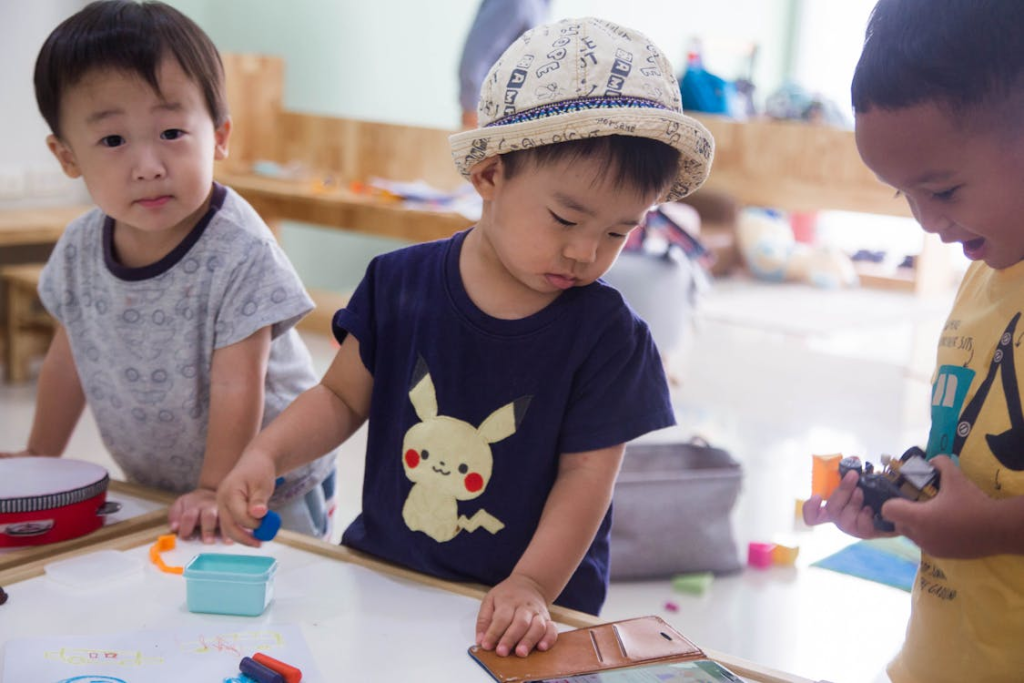
From the moment your child begins to compare sizes or notice patterns in their surroundings, he is already engaging with the foundations of mathematics. Numeracy is more than just learning…
January 9, 20269 min
Why Small Class Sizes Matter: 6 Benefits for PreschoolersBlog

Why Small Class Sizes Matter: 6 Benefits for Preschoolers
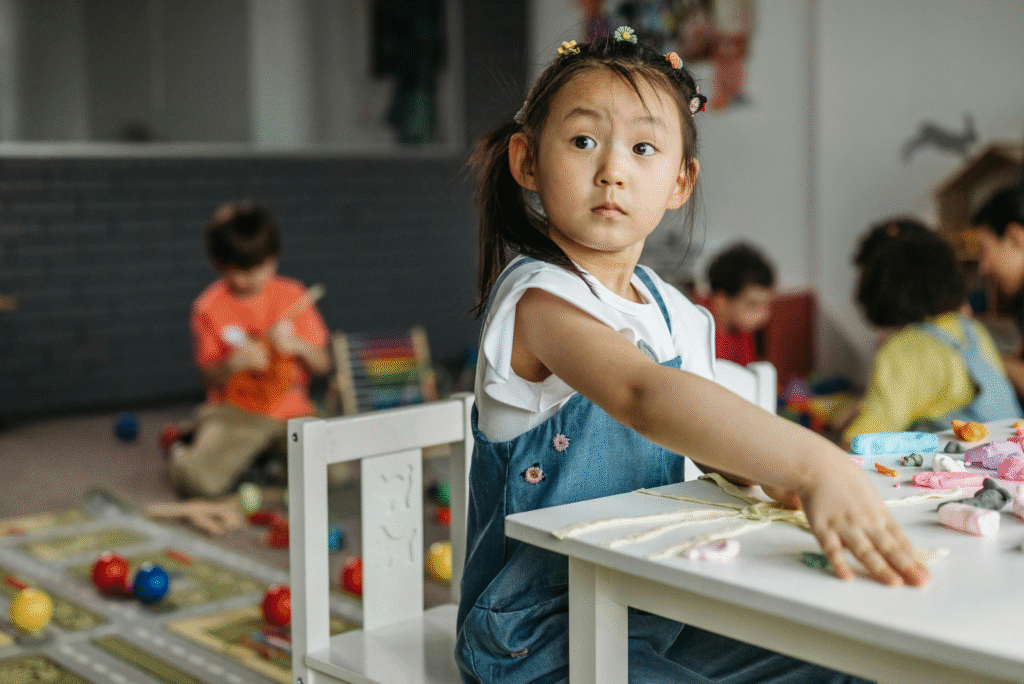
Many parents assume that class sizes are not something to worry about. Having more students in a class may seem like an excellent way for your kid to make friends…
January 9, 20269 min
individual learning plan is a lesson plan where you can use a personalised learning approach.
Individual Learning Plan (ILP) vs Class Plan: Why the Difference MattersBlog

Individual Learning Plan (ILP) vs Class Plan: Why the Difference Matters
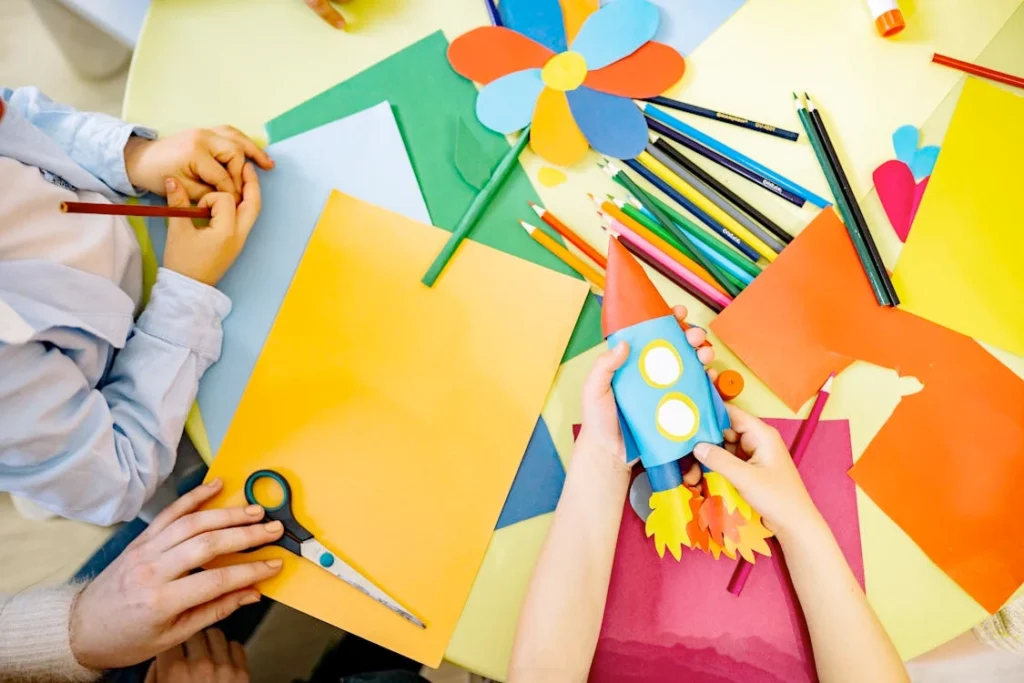
As parents, you know that each child is unique in his own way. But did you know that this also extends into how he learns? Some prefer to learn visually,…
November 26, 20259 min
The best way to go about how to learn Chinese for preschoolers is if you can do it in person or on the internet.
Chinese for Preschoolers: 8 Fun Ways to Learn MandarinBlog

Chinese for Preschoolers: 8 Fun Ways to Learn Mandarin

In Singapore, many people grow up speaking multiple languages, particularly English and Mandarin. Learning a language works differently for everyone; some find it easier to pick up the English language,…
November 26, 20258 min

People: A Nurturing Community That Shapes Growth

Children don’t learn in isolation. They are shaped by the people around them—at home, in school, and within the wider community.

At Wharton, our teachers guide with respect and intention. Each educator is trained to observe, support, and challenge your child in ways that honour his individuality. Low teacher-child ratios allow for meaningful relationships and attentive care.

We also work in close partnership with parents to keep you informed and involved in your child’s development through open communication and collaboration.

Beyond school and home, learning continues through real-world experiences. Whether it’s a visit to the local police post, fire station, or community centre, your child learns through interactions with the broader community. These everyday heroes, from police officers and firefighters to community staff, play a role in teaching values, sparking curiosity, and expanding your child’s understanding of the world.

It’s this ecosystem of people—teachers, parents, and community—that supports your child’s growth in a truly holistic way.

Programme: Personalised Learning Within a Proven Framework

At Wharton, we tailor learning experiences to your child’s pace, interests, and readiness.

Each child follows an Individualised Learning Plan designed around his Zone of Proximal Development (ZPD)—the optimal range for learning. Whether your child shows early interest in phonics or aptitude in numeracy, our teachers are trained to adapt and respond with timely, guided instruction. With small class sizes, our educators can give each child the attention they need to thrive and grow.

Place: Classrooms Designed for Exploration and Focus

Our learning environments are carefully curated to balance structure with freedom.

Following the principles of the Montessori method, each classroom is prepared to support hands-on learning, purposeful movement, and independent discovery. Materials are carefully selected and displayed strategically to spark curiosity, create a harmonious classroom environment, and encourage self-motivation.

From child-sized furniture to open shelves, every detail in the classroom is designed to empower your child with a sense of ownership over his learning journey. When your child feels calm, safe, and respected, he is more likely to explore independently, focus for longer periods, and build resilience through meaningful work.

This sense of agency lays the foundation for confidence, adaptability, and a lifelong love of learning.

“Education is not something which the teacher does, but a natural process that develops spontaneously in the human being.” — Maria Montessori

As Wesley graduates from Wharton preschool, our hearts are filled with gratitude and warmth. From the day he joined N2 as the youngest child in his class, we have witnessed his incredible journey of growth and happiness under your care. Despite living far from the school and having to take an early bus every day, Wesley has never once said he didn’t want to go to Wharton. His love for Wharton and the welcoming environment you’ve created has made every early morning worth it.

We deeply appreciate the support and encouragement you have given Wesley throughout his time at Wharton. While he can be mischievous and playful, sometimes even getting into small conflicts with his peers, your unique and thoughtful ways of guiding him have been remarkable. The way you nurture and respect each child’s individuality, uncovering their strengths and fostering their potential, truly reflects Wharton’s exceptional educational philosophy.

The activities and programs you’ve designed have been a source of endless joy and learning for Wesley. From exploring nature and engaging in diverse courses to celebrating festive occasions and participating in school events, Wesley has experienced a vibrant and meaningful preschool life. The careful bridging between preschool and primary education has also equipped him with valuable knowledge and skills, ensuring a smooth transition to the next chapter of his learning journey.

As parents, we have also cherished the opportunities to connect with the school through events like Family Day, holiday celebrations, and the graduation ceremony. These moments of interaction have strengthened our trust and partnership with the school, making us feel deeply involved in Wesley’s growth and education.

Thank you for the love, patience, and dedication you have shown not only to Wesley but to every child at Wharton. Wesley’s three years here have been an unforgettable chapter filled with laughter, learning, and discovery. Wharton preschool will always hold a special place in our hearts.